Software · Analysis
visionOS spatial computing: apps that might stick
Floating windows look like the future. Persistence, shared spaces, and real jobs decide what survives.
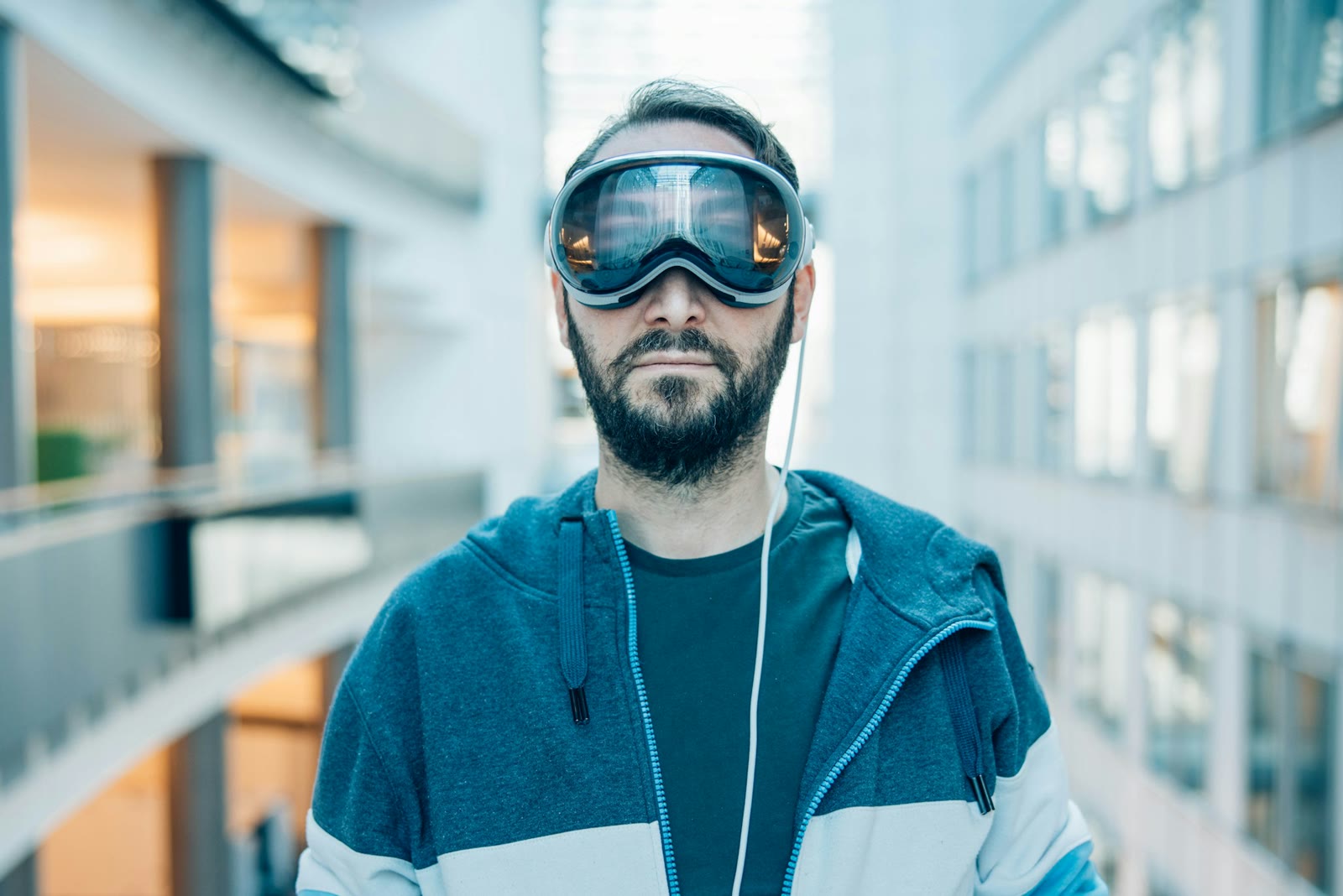
Every spatial platform gets a first wave of ports: media players, browsers, novelty games, and “look, a giant screen” demos. visionOS is no exception. The interesting question in 2026 is narrower: which app categories survive after the novelty tax expires — when putting the headset on has to beat opening a laptop or phone for the same task.
Persistence beats floating panels
Floating windows photograph well. Day-to-day magic is whether your layout survives leaving the room, rebooting the headset, and coming back tomorrow. Apps that treat space as a place — saved arrangements, per-room contexts, resume that doesn’t shuffle your life — turn Vision from a viewer into somewhere you work. Window managers that forget you every session train people to take the headset off.
That’s a higher bar than another volumetric toy. Productivity suites, whiteboarding tools, and developer environments that remember where you left panels have a structural advantage over one-shot immersive experiences. Immersive still matters for entertainment and training; habit formation prefers spatial apps that behave like rooms you return to.
Categories with a real shot
Media with presence. Watching alone on a virtual screen is fine; watching with spatial audio and a sense of scale is better when the content is chosen for it — sports, concerts, films graded for large canvases. Apps that only stretch a phone UI onto a billboard will lose to native designs.
Spatial productivity. Multitasking with documents beside reference material, or a call beside a shared model, is the sober case for Vision. The winners will feel closer to a dual-monitor desk than to a theme park. Eye-and-hand input has to stay precise under fatigue; apps that demand constant gesture gymnastics will not stick.
Training and guidance. Step overlays, remote expertise, and 3D manuals are where enterprise and consumer blur. If an app shortens time-to-competence for a real procedure, it earns repeat sessions. If it’s a 3D brochure, it earns a screenshot.
Creation tools. Sculpting, spatial sketching, and volume editing can stick for specialists — if export paths back to Mac/iPad workflows are first-class. Islands that trap assets inside the headset will remain demos.
What probably won’t
Generic social hangouts without a strong reason to be spatial. Shallow game ports that ignore depth and comfort. Utility clones that are slower than the Watch glance they replace. Anything that requires you to justify the headset every single time you launch it.
The quiet metric
Watch session length and return rate, not download spikes on launch week. Apps that might stick are the ones people open midweek without a demo audience — for a meeting, a review, a chapter, a repair. Spatial computing becomes real when the headset is a tool you forget to narrate. Until then, treat “spatial app of the year” lists as mood boards, not markets.