Hardware · Rumor note
Lighter headset rumors — what actually matters for comfort
Grams get the headlines. Balance, heat, and session length decide whether you keep the headset on.
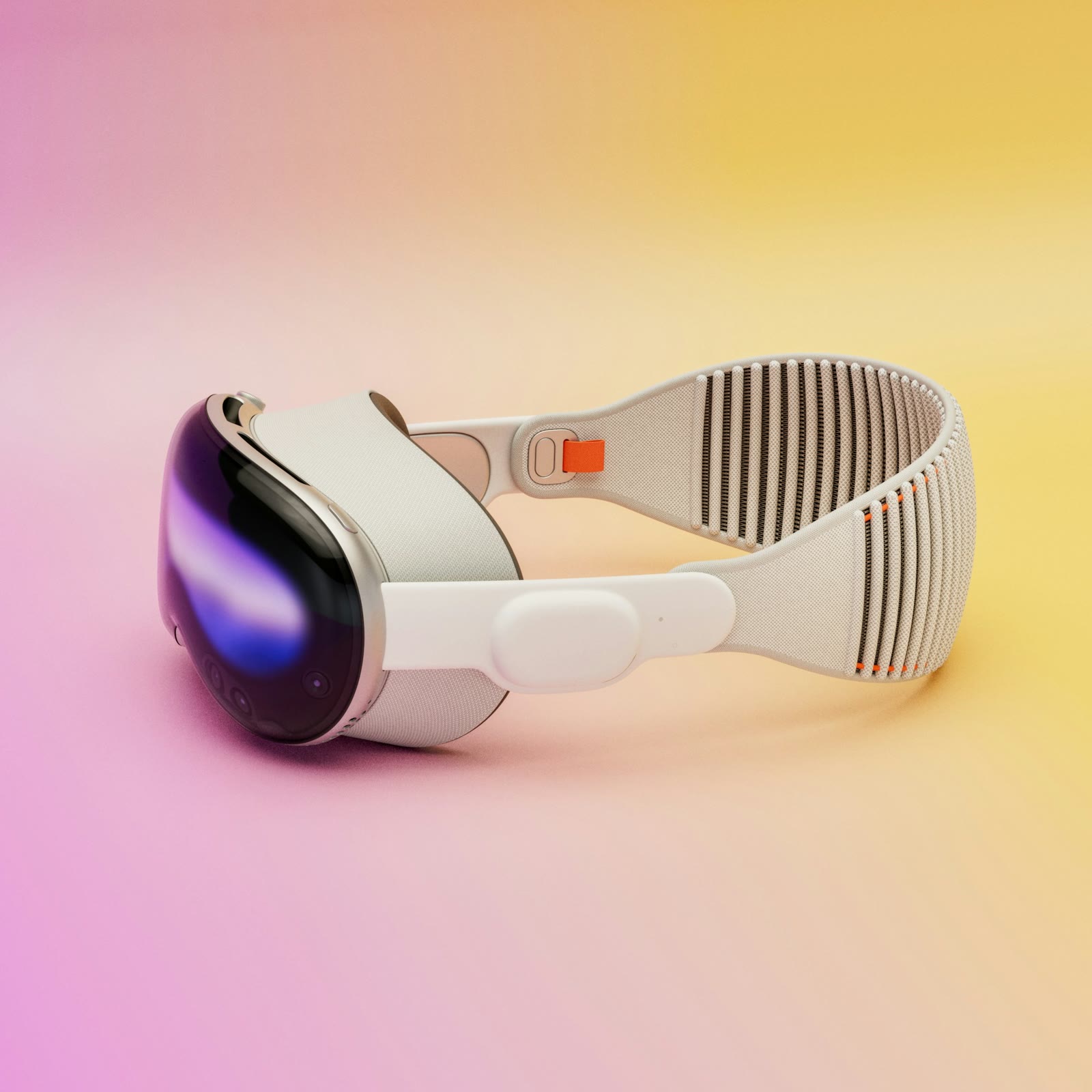
Every cycle brings another “lighter Vision” rumor. The instinct is right: front-heavy mass is the difference between a memorable demo and a daily habit. But lighter only works if displays, cooling, straps, and the battery story move together. Treat unverified weight targets as mood until the rest of the stack is named.
Weight is not comfort
A headset that sheds 100 grams but concentrates mass on the forehead can feel worse than a heavier unit with better balance. Strap geometry, facial interface materials, and how heat builds across a two-hour session matter as much as the scale reading. Comfort is cumulative: pressure points, fogging, and neck fatigue show up after the keynote glow fades.
Rumors that only quote a gram number — without describing the battery topology or display stack — are incomplete by design. Cutting mass without cutting clarity tends to push heat or power somewhere else: an external pack, a thinner cell, or shorter recommended sessions. None of those are automatically bad. They are tradeoffs. Coverage that ignores the trade is selling a headline, not a product story.
The battery question people skip
Vision-class devices already live with a tethered or external power story. A lighter front module that depends on a pack in your pocket can be a net comfort win — if the cable routing doesn’t snag and the pack doesn’t become a second brick you resent. Integrated batteries that get thinner often mean earlier low-power warnings. Ask which problem the rumor is solving: face pressure, or marketing slide aesthetics.
Display efficiency is the silent partner. Brighter, sharper panels that sip less power make lighter batteries viable. If a leak names micro-OLED (or successor) improvements alongside grams, that pairing is more credible than grams alone. If it doesn’t, file it under speculative.
How to read the next leak
Three questions: Is the display stack named? Is the battery topology described — onboard, pack, or hybrid? Is there a software reason people would wear it longer (better passthrough, longer spatial sessions, enterprise workflows)? Without those, treat the leak as atmosphere, not roadmap.
Comfort will decide whether spatial computing stays a weekend toy or becomes something you forget you’re wearing during a work block. Lighter helps. Balanced, cool, and honest about power helps more. Until Apple ships — or a rumor includes the full trade — keep the skepticism proportional to the claim.